

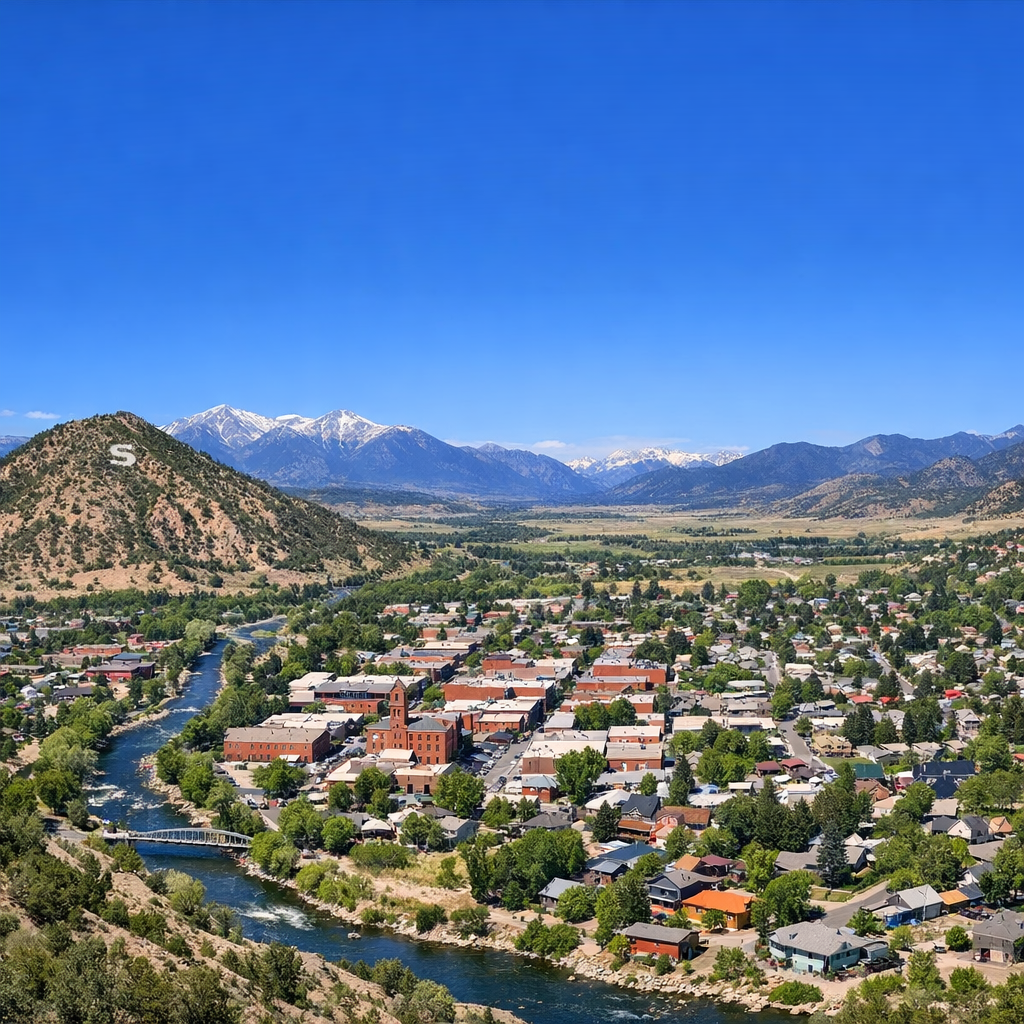
Located in the heart of the Rockies, Salida, Colorado, offers a distinctive climate that influences both the lifestyle and activities of its residents. Understanding these patterns can help locals and visitors alike make the most of what each season has to offer.
Seasonal Temperature Variations
Salida experiences a wide range of temperatures throughout the year. Summers are warm, with average high temperatures in July reaching around 83°F (28°C). Winters, on the other hand, are cold, with January lows averaging around 10°F (-12°C). This significant variation allows for a diverse array of seasonal activities, from summer hiking to winter skiing.
Precipitation and Snowfall
Annual precipitation in Salida averages about 10 inches (254 mm), with August being the wettest month, receiving approximately 1.7 inches (43 mm) of rainfall. Snowfall is a notable feature of the winter months, averaging 39 inches (99 cm) annually. This snowfall contributes to the region’s winter sports scene, particularly at nearby Monarch Pass, which receives over 400 inches (1,016 cm) of snow each year.
Sunshine and Humidity
One of Salida’s most appealing climatic features is its abundance of sunshine. The area enjoys approximately 262 sunny days per year, providing ample opportunities for outdoor activities. Humidity levels are relatively low, typically ranging between 20% and 30%, which contributes to the comfortable feel of the climate, even during warmer months.
Environmental Considerations
While Salida’s climate offers many benefits, it’s important to be aware of environmental factors. The region has experienced periods of drought, with current conditions classified as severe drought. Additionally, historical industrial activities, such as those at the Smeltertown site, have led to environmental concerns. Ongoing remediation efforts aim to address these issues and protect the local environment.
By understanding Salida’s unique climate and environmental context, residents and visitors can better appreciate and adapt to the conditions that define this beautiful mountain town.