

The United States economy has experienced notable fluctuations in recent quarters, reflecting a complex interplay of domestic policies and global events.
GDP Growth
In the first quarter of 2025, the economy contracted by 0.5%, attributed to businesses accelerating imports ahead of anticipated tariffs. However, the subsequent quarters saw a rebound, with the second quarter achieving a 3.8% annualized growth rate, and the third quarter reaching 4.3%, marking the fastest pace in two years.
Inflation and Consumer Prices
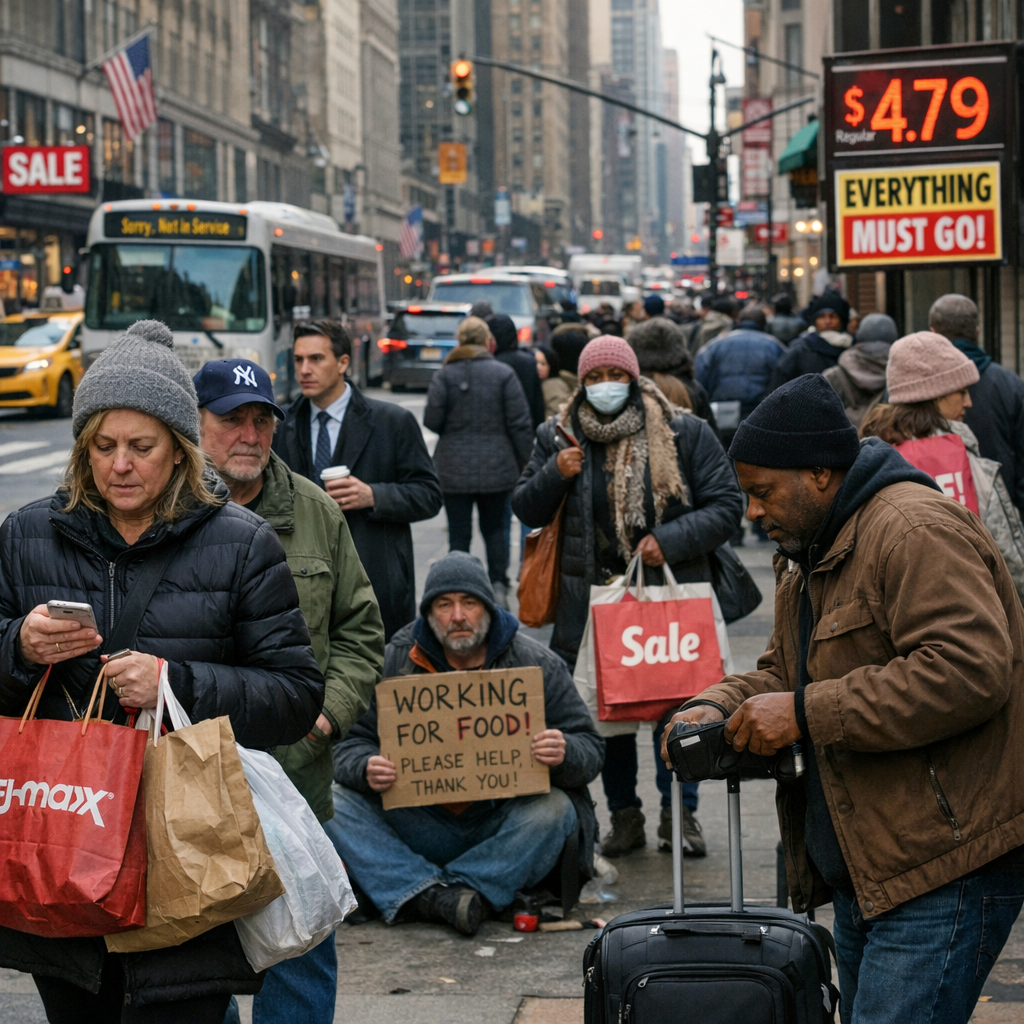
Inflation has been a persistent concern, with rates climbing to 3.8% in April 2026, the highest in three years. This uptick has been driven by increased energy costs, notably due to geopolitical tensions affecting oil supply routes. Consequently, national average gas prices have surpassed $4.50 per gallon, with some states reporting prices above $5.
Employment Trends
The labor market has shown resilience, maintaining a steady unemployment rate. However, wage growth has struggled to keep pace with rising inflation, leading to diminished purchasing power for many Americans.
Public Sentiment
Recent polls indicate growing public dissatisfaction with the administration’s economic policies. A CBS News/YouGov survey revealed that 70% of Americans feel “angry” or “frustrated” about the handling of the economy, with only 11% expressing enthusiasm.
Looking Ahead
As the nation approaches the 2026 midterm elections, economic performance remains a pivotal issue. Policymakers face the challenge of balancing growth initiatives with inflation control to foster a stable economic environment.